For backpacking, buy a single-wall titanium mug in the 450 to 600 ml range. The Snow Peak Trek 700 Titanium and TOAKS Titanium 550ml Mug are the stronger choices because they keep weight low, survive hard use, and still work for boiling water on a stove. If you want better value, the TOAKS 450ml or 550ml usually lands around $25 to $35 and beats heavier insulated tumblers for trail use.
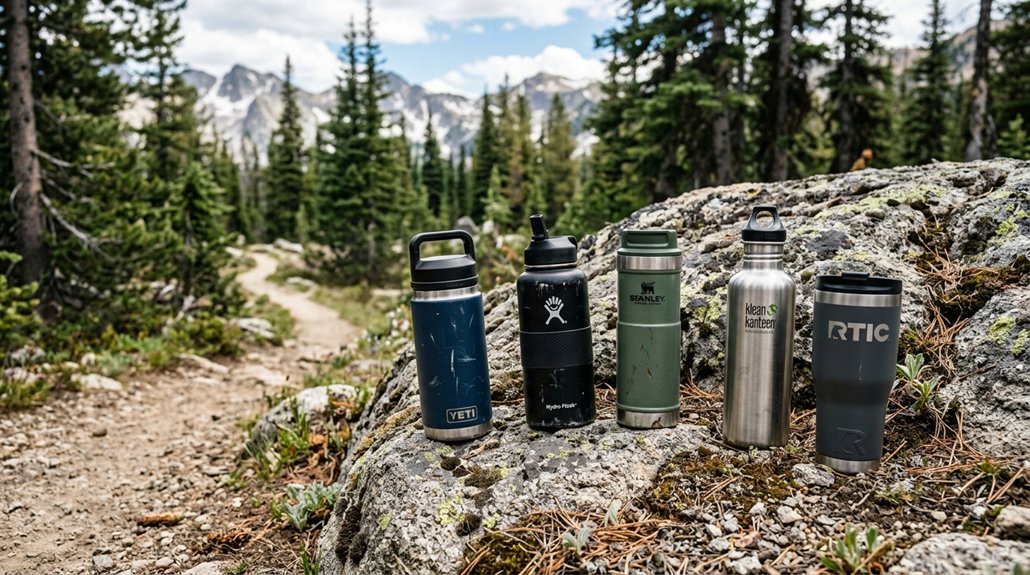
Skip big vacuum tumblers like the Stanley Quencher, Yeti Rambler Tumbler, or most 20 oz insulated cups. They are durable, but they add too much bulk, waste pack space, and do not justify the weight for backpacking. They are worth buying for road trips or campgrounds, not for long miles.
If you want the lightest practical pick, titanium beats stainless steel. A titanium mug like the TOAKS 550 weighs roughly 2.6 oz, while a similar stainless model often pushes 5 to 7 oz, and that difference matters after a full day on the trail. Stainless steel still makes sense if you want to spend less, but it is the compromise pick, not the best one.
Double-wall mugs only make sense for specific trips. If you sip coffee slowly in cold weather and do not plan to heat water in the mug, a double-wall titanium mug like the Snow Peak Ti-Double 450 can be worth buying, but most backpackers should skip this one because it is bulkier and less versatile. For most people, a single-wall mug gives better value, lower weight, and fewer limitations.
How to Choose a Backpacking Travel Tumbler
Pick a lightweight single-wall titanium or stainless tumbler unless you know you need insulation. For most backpackers, a 450 to 600 ml mug gives the best balance of pack weight, hot drink capacity, and real usefulness at camp. If you want a safe default, the Snow Peak Ti-Double 450 and TOAKS Titanium 450ml Mug are worth buying, while bulky vacuum tumblers from Stanley or Yeti usually make less sense on weight-first trips. Titanium is often worth the premium for hikers because it can be nearly 45% lighter than steel.
For backpacking, a lightweight 450 to 600 ml titanium mug beats bulky insulated tumblers on weight, versatility, and camp usefulness.
Keep total weight in the 2 to 4.7 ounce range if you care about pack efficiency. The TOAKS 450ml titanium mug sits near the sweet spot for price-to-weight, while the Snow Peak 600 titanium mug gives you a little more room for coffee, soup, or oatmeal without becoming a brick in your side pocket. Go up to 700 ml only if you regularly hike dry stretches or want one vessel that handles both drinking and simple cooking.
Material matters, and titanium is usually the stronger choice for backpacking. Stainless steel, like a Klean Kanteen camp mug, takes abuse and costs less, but it adds noticeable weight. Borosilicate glass looks good and handles heat well, but for trail use I’d skip this one unless you’re car camping and using a silicone sleeve.
Insulation only pays off if you actually drink slowly or camp in cold weather. Double-wall vacuum models hold heat longer and stop condensation, but they cost more, weigh more, and often can’t go on a stove. Single-wall mugs cool faster, but they pack lighter and give you more flexibility, which makes them better value for most backpackers.
Do not ignore the lid. A simple press-fit lid from Hydro Flask or Snow Peak helps with splashes, but a truly leakproof lid matters more if you stash the tumbler in a pack pocket or deal with pressure changes at altitude.
Check dishwasher safety too, because some insulated mugs clean easily, while ultralight titanium options often need more hands-on washing.
Best Titanium Travel Tumblers for Backpacking
Buy the TOAKS Titanium 450ml Double Wall Cup if you want the best all-around titanium tumbler for backpacking. It gives you the strongest mix of heat retention, durability, and reasonable weight at 4.7 ounces, which makes it the stronger choice for most hikers who actually want hot coffee to stay hot. Titanium is the best material here because it resists corrosion, stays lightweight, and does not leach chemicals when heated.
If cutting every ounce matters more than insulation, buy the Snow Peak Ti-Single 450 Mug. At 2.4 ounces, it’s the lightest worthwhile pick here, and it beats the TOAKS Single Wall 450 Cup at 2.7 ounces if pure weight savings drives your kit.
The Snow Peak Ti-Double 450 Mug is worth buying if you want a lighter insulated mug and don’t mind paying more for Snow Peak finish quality and brand reputation.
For better value, the TOAKS double-wall model usually makes more sense because it costs less while still giving you the performance most backpackers want.
I would skip the MSR Titan Double Wall Mug unless you specifically want a smaller 13-ounce mug with a lid. At 4.1 ounces it stays light, but the lower capacity makes it less useful for long trail mornings, and the TOAKS 450ml Double Wall Cup feels like the better buy for most people.
Best Stainless Steel Travel Tumblers on a Budget
If you want the best budget stainless steel tumbler for backpacking, buy the Owala 12 oz SmoothSip Slider. It hits the sweet spot on weight, pack fit, spill control, and price better than most cheap tumblers, so it’s the stronger choice for most hikers. Its leak-proof design also makes it a safer pick when your pack gets jostled on the trail.
For budget backpacking, the Owala 12 oz SmoothSip Slider is the best buy for weight, fit, spill control, and price.
If you want maximum value over compactness, the RTIC 16 oz mug is worth buying, but it takes up more space in a small pack.
The YETI 10 oz Rambler is the tougher pick, but I’d only buy it if low weight and compact size matter more than capacity. Its 18/8 stainless steel build and strong brand reputation make it reliable, but 10 ounces feels limited on longer trail days and the price usually sits higher than better-value rivals.
Hydro Flask’s 12 oz Coffee tumbler is worth buying if you want easier cleaning and a finish that holds up to rough use. Its powder-coated exterior resists scratches well, and the size works better in side pockets and tighter pack setups than bulkier 16 oz mugs.
Simple Modern stands out as one of the better value brands because it uses 18/8 stainless steel, keeps a slimmer profile, and backs many tumblers with a lifetime warranty.
I’d still skip the larger 16 oz and up versions for backpacking, because they feel oversized and can be awkward in smaller packs.
Do Insulated Backpacking Tumblers Stay Hot Longer?
Yes, insulated backpacking tumblers keep drinks hot longer, and a good one is worth buying if you want hot coffee for a morning hike or commute. The best models, like the Yeti Rambler 20 oz Tumbler, Contigo Streeterville, Thermos Alta, and Ello Campy, usually hold solid drinking heat for about 5 to 6 hours with the lid closed. That’s a real upgrade over a cheap single-wall cup, but it isn’t an all-day solution. In controlled lab testing, top insulated tumblers typically stayed drinkably hot until about 125°F, showing their heat retention advantage over basic cups.
If your goal is hot coffee until lunch, buy a double-wall vacuum-insulated stainless steel tumbler with a well-sealed lid. The Yeti Rambler stands out for build quality and heat retention, but it’s expensive at around $35 and it isn’t fully leakproof unless you add a stronger lid. The Contigo Streeterville often gives better value under $20, especially if you want a lighter tumbler for shorter trips.
Lid design matters just as much as the steel body. An open sip lid can cut heat retention nearly in half, so skip tumblers with loose slide tops if you care more about temperature than convenience. If you want the stronger choice for longer hikes, buy a vacuum bottle or thermos-style model instead of a standard tumbler.
That is why backpacking tumblers make sense for short to medium outings, not full-day backcountry use. They work best if you want cup holder compatibility, easy one-hand sipping, and decent insulation in the 16 oz to 20 oz range.
If you need maximum heat retention and leakproof carry in a pack, a thermos-style bottle is the better buy.
Which Trail Features Matter Most?
For hiking, skip the idea that the tumbler matters most. Water access, carry capacity, and ease of use matter more, and that’s why a hydration bladder or a lightweight bottle beats a heavy insulated tumbler on almost every trail.
If you’re buying for day hikes, the stronger choice is a 2L or 3L hydration reservoir like the Osprey Hydraulics 2L, CamelBak Crux 2L, or HydraPak Velocity 2L. They let you sip hands-free on steep terrain, they ride better in a pack than a 30 oz Stanley Quencher, and they make more sense when you’re tired and don’t want to stop every 10 minutes. A 3-liter reservoir is often the most practical capacity choice for hiking because you can fill only what you need while keeping extra range for hot weather or longer stretches without water.
If you prefer bottles, a 32 oz Nalgene Wide Mouth or a 1L Smartwater bottle gives you better value, easier packing, and less weight than most stainless steel tumblers. Wide-mouth bottles win if your route has shallow creeks or awkward refill spots. A Nalgene 32 oz Tritan bottle, usually around $17, fills faster than a narrow-mouth bottle and handles rough use better than cheaper knockoffs.
For bottle hikers, a 32 oz Nalgene packs easier, weighs less, and refills faster than bulky stainless tumblers.
For longer dry stretches, carry extra liters in a HydraPak Seeker 2L or 3L collapsible bottle, then drink heavily at reliable sources instead of relying on one oversized tumbler.
Check recent water reports before you buy your setup around a route. Seasonal shifts can dry streams, freeze filters, and turn an easy refill plan into a bad one. Rangers, recent AllTrails comments, FarOut updates, and local hiking groups give you better buying and packing guidance than an old map alone.
Frequently Asked Questions
Can Backpacking Tumblers Affect the Taste of Coffee or Tea?
Yes, backpacking tumblers can affect the taste of coffee or tea, and material makes the biggest difference. If flavor matters, buy titanium or food-grade 18/8 stainless steel from brands like Snow Peak, TOAKS, Hydro Flask, or YETI, and skip cheap tumblers with questionable liners or coatings.
For the cleanest taste, titanium is the stronger choice. A Snow Peak Ti-Double 450 Mug, usually around $60 to $70, resists flavor carryover better than many budget stainless mugs, and it weighs very little for backpacking.
Stainless steel still offers better value for most buyers, especially if you want insulation and durability at a lower price. A YETI Rambler 10 oz Tumbler or Hydro Flask 12 oz All Around Tumbler will usually keep flavor neutral if you wash it well and do not leave coffee sitting in it for hours.
Cheap tumblers often cause the worst taste issues. Poor welds, low-grade steel, lingering soap residue, and plastic lids that trap old coffee oils can make fresh tea or coffee taste flat, metallic, or stale, which makes those no-name Amazon tumblers worth skipping.
If you want the safest buying call, choose a reputable titanium mug for pure flavor, or a well-reviewed 18/8 stainless tumbler for better price-to-performance. Keep it clean, avoid damaged interiors, and do not expect a bargain tumbler with a plastic liner to taste as clean as a Snow Peak, TOAKS, YETI, or Hydro Flask.
Are Backpacking Travel Tumblers Safe to Use With Acidic Drinks?
Yes, backpacking travel tumblers are safe for acidic drinks, but only if you buy the right material. Stainless steel and titanium are the stronger choice, and I would skip cheap aluminum cups or bargain tumblers with weak interior coatings.
For most buyers, 18/8 stainless steel gives the best value because it handles coffee, tea with lemon, juice, and electrolyte mixes without corrosion issues in normal use. Brands like Hydro Flask, Klean Kanteen, and YETI use food-grade stainless steel that holds up well, while Snow Peak titanium mugs cost more but make sense if you want the lightest backpacking setup.
If you want the safest bet for acidic drinks, a Snow Peak Ti-Double 450 or Klean Kanteen TKWide 12 oz is worth buying over no-name Amazon options. You get better material quality, stronger brand reputation, and fewer concerns about metallic taste, coating wear, or long-term durability.
How Should I Clean a Travel Tumbler on Multi-Day Backpacking Trips?
On a multi-day backpacking trip, the best move is to carry a tumbler that cleans fast in camp, ideally a wide-mouth stainless steel model like the YETI Rambler 20 oz, Hydro Flask All Around 20 oz, or Klean Kanteen TKWide 20 oz. Rinse it daily with the hottest safe water you have, then scrub it with a small soft bottle brush and a drop of unscented camp soap like Dr. Bronner’s or Campsuds.
If your tumbler traps smells or coffee oils, skip sugary drink mixes and soak it with a little water and vinegar for 10 to 15 minutes. For stubborn buildup, use a baking soda paste and scrub the inside threads, lid gasket, and straw parts, since that is where Owala, Stanley, and cheap Amazon tumblers usually get funky fastest.
Buy a tumbler with fewer lid parts if you backpack often, because it is simply easier to keep sanitary on trail. The stronger choice is a wide-mouth vacuum-insulated stainless steel tumbler with a simple screw lid, not a complicated straw lid, and models like the Klean Kanteen TKWide usually offer better value for this than trend-first options.
Air-dry the lid and gasket separately overnight before packing it again. If you know you will be out for several days, skip tumblers that are not dishwasher safe or that use hard-to-clean flip-straw assemblies, because those are not worth buying for backcountry use.
Can Travel Tumblers Fit in Standard Backpack Side Pockets?
Yes, many travel tumblers fit standard backpack side pockets, but only the slimmer ones are worth betting on. If you want the safest buy, stick to bottles around 2.8 to 3.2 inches in diameter, like the Hydro Flask 21 oz Standard Mouth, the YETI Rambler 18 oz Bottle, or the Owala FreeSip 24 oz, because these usually slide into backpack pockets without a fight.
Skip wide-body tumblers like the Stanley Quencher 40 oz if pocket fit matters, because they often stretch the fabric or fall out when you bend over. Stainless steel gives you the best mix of durability and insulation, while titanium bottles save weight but usually cost more and give you worse value for everyday use.
If you are buying specifically for backpack carry, the stronger choice is a narrow insulated bottle with a leakproof lid, not a big handled tumbler. Expect to pay about $25 to $40 for the best value options, with Owala and Hydro Flask usually offering the better value, while YETI costs more but earns its reputation for durability.
What Size Travel Tumbler Works Best for Solo Backpacking Trips?
For solo backpacking, buy a 15 to 16 ounce travel tumbler. That size gives you enough coffee, tea, or water for camp use without wasting pack space, and it usually keeps weight close to the sweet spot for one-person carry.
If you want the stronger choice, look at a 16 ounce stainless steel tumbler like the YETI Rambler 16 oz Stackable Cup, usually around $25, or the Hydro Flask All Around Tumbler 16 oz, usually around $28 to $30. Both use double-wall vacuum insulation, both hold enough for a real drink break, and both offer better durability than cheap painted steel mugs that dent fast in a pack.
Skip oversized 20 ounce tumblers for solo backpacking unless you plan to use it as your main drinking vessel all day. They add bulk, weigh more, and often fit poorly in side pockets or cook kits, so the 15 to 16 ounce range gives you the better value for most solo trips.
If leakproof performance matters more than sipping comfort, the Contigo West Loop 16 oz is worth buying at about $20 to $25. It seals better than most open-lid camp tumblers, though it trades away some easy-clean simplicity compared with a basic stainless tumbler.
Conclusion
For backpacking, buy a stainless steel tumbler unless weight matters more than insulation. The Hydro Flask All Around Tumbler in 20 oz and the YETI Rambler in 20 oz are the stronger choices for most people because they resist dents better than cheap store brands, hold temperature longer, and have lids that seal well enough for rough travel, though neither counts as fully leakproof. If you obsess over pack weight, the Snow Peak Titanium 450 or 600 is worth buying, but you pay a premium for less insulation and a cup that feels more like ultralight gear than an all-day drink tumbler.
Skip any tumbler that looks tough but has a weak press-fit lid or a wide body that will not ride securely in a pack pocket. Stanley’s 30 oz Quencher works for road trips, but it is a poor backpacking pick because the handle, straw lid, and oversized shape make it harder to pack and easier to spill. For better value, a YETI Rambler 20 oz with the MagSlider lid or a Hydro Flask 20 oz with the Closeable Press-In Lid makes far more sense, especially if you want a durable 18/8 stainless steel body under about $35.
If you want the lightest practical option, titanium still wins, but only if you accept the trade-off. Snow Peak, TOAKS, and Keith make durable titanium cups that shrug off corrosion and cut ounces, yet they do not match double-wall stainless steel for insulation or comfort in cold weather. Check the lid fit, outside diameter, and dent resistance before you buy, because a tumbler that leaks in your pack or will not fit a side pocket is not worth buying no matter how tough the brand marketing looks.